Same Pipe, Two Towns Apart: Why Identical Damage Produces Five Different Jobs
title:Same Pipe, Two Towns Apart: Why Identical Damage Produces Five Different Jobsauthor:Marguerite Vasquezpublished:2026-07-06section:Propertywords:1,056read:4 min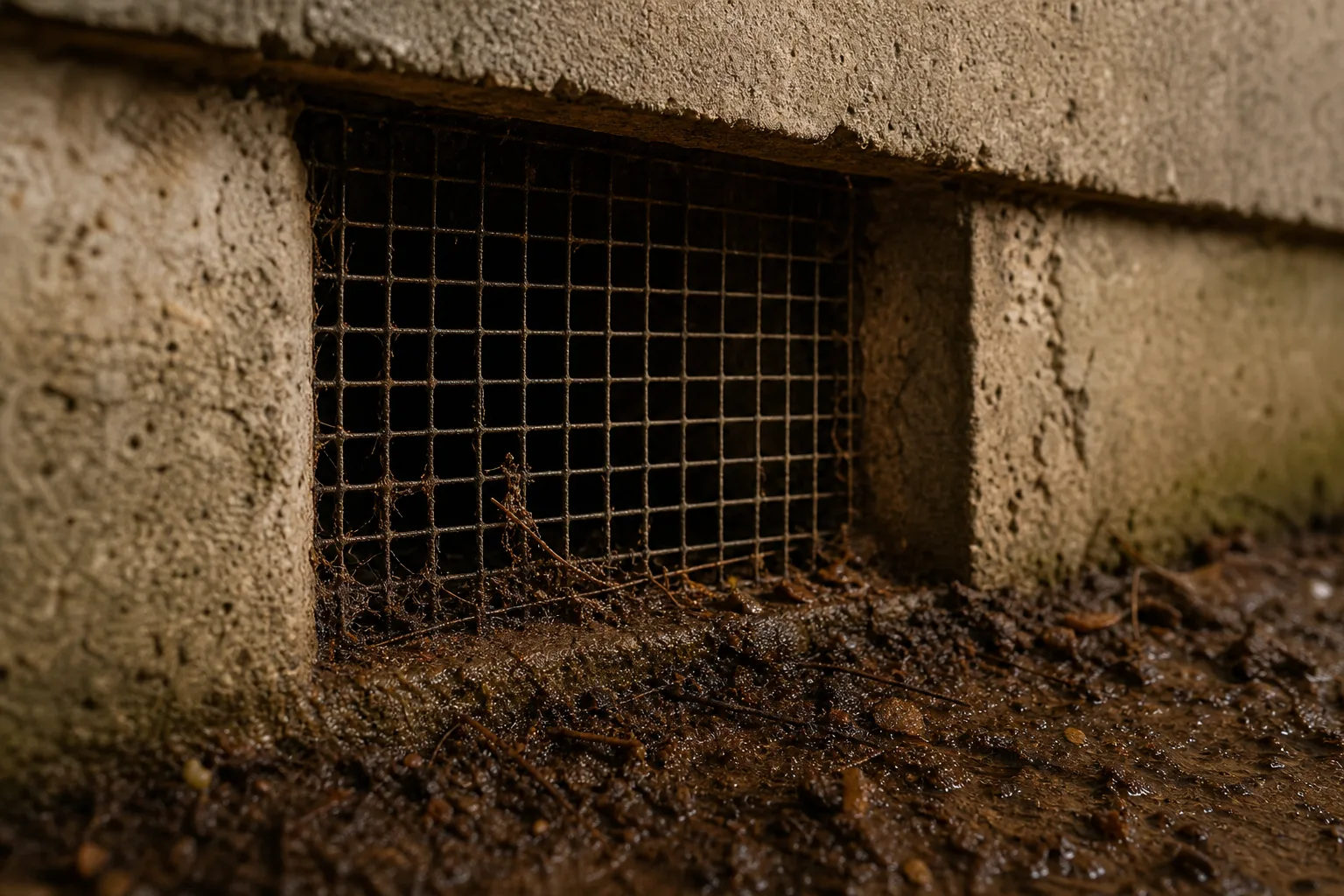
Identical damage produces different work, different paperwork and different costs depending on soil, climate, code and who is licensed to touch it.
Two houses of similar age and size, four hundred miles apart, each lose a supply line under a kitchen sink on the same February morning, both discovered within about an hour. The volume of water is comparable, the affected rooms are comparable, and both households call for help at roughly the same time. Six weeks later one job has cost nearly twice the other, and neither contractor did anything unusual. Everything separating the two outcomes was fixed before the pipe failed, and none of it appears in any conversation about how careful a homeowner has been.
What the House Is Sitting On
Foundation type is the largest single variable and it is decided by regional building practice rather than by choice. A house on a full basement gives water somewhere to go and gives a crew room to work, which usually means the damage is concentrated and accessible. A house on a crawl space gives water somewhere to sit, in an enclosed, poorly ventilated volume that is much harder to dry and where the consequences of incomplete drying are least visible. A slab on grade gives it nowhere to go at all, which pushes water sideways under flooring across a wide area.
The cost consequences follow directly. Slab construction frequently means water travels under an entire floor covering before anybody sees it at a baseboard, and the remediation involves lifting flooring across rooms that never looked wet. A crawl space adds access difficulty, insulation removal and a longer drying period. A basement is the cheapest of the three to dry and the most expensive if it is finished, a distinction with nothing to do with the pipe.
The Climate the Drying Happens In
Drying is a matter of moving water into air and removing it, which means the surrounding climate sets the difficulty. A February loss in a cold dry region is comparatively easy: outside air holds little moisture, heating systems are already drying the interior, and conventional equipment works efficiently. The same loss in a warm humid region is harder, requires more capable dehumidification, and takes longer, because the air the equipment is working against is already close to saturated.
That difference shows up as equipment days on an invoice, which is the largest line on most mitigation bills, and it shows up again in the risk profile, since a longer drying period means more time inside the window where microbial growth becomes a factor. The same crew doing the same work to the same standard produces a longer job and a larger bill in one climate than in another, and no version of the work avoids it.
Who Is Allowed to Touch the Work
Licensing is entirely a state and local matter and it varies more than almost anything else in the trades. Some states license water damage restoration specifically, some regulate it under general contracting, and some barely regulate it at all. Plumbing and electrical licensing is nearly universal but the scope of what a licensed plumber may do without a separate permit differs, and the point at which a restoration contractor must hand off to a licensed trade differs with it.
The practical effect is on the number of parties. A job one contractor can complete in a permissive jurisdiction may require a restoration firm, a plumber, an electrician and a general contractor in a stricter one, and every handoff adds delay and a coordination cost somebody pays for. Neither arrangement is better in the abstract, since the stricter one buys verification and the looser one buys speed, and a homeowner rarely knows which they are in until the second van arrives.
What the Sewer Does Under Stress
Some of what looks like plumbing damage is really drainage system behavior, and that is a municipal question. Older systems that combine storm and sanitary flows can back up during heavy rain, which turns a clean water event into a contaminated one and changes the entire remediation category. Communities that have separated their systems, or that have invested in capacity, produce fewer of those events. The age and material of the lateral serving the house matters too, since clay and cast iron behave differently from modern plastic under root pressure and ground movement.
None of this is visible to a homeowner and nearly all of it is knowable by asking. Public works departments will generally say what material is in the ground on a given street, how old it is, and whether the area has any history of surcharging during heavy rain. That answer determines whether a sewer backup endorsement is a sensible small purchase or an obvious necessity, and it is the sort of question that takes one phone call and is almost never asked until after the basement has already been flooded once.
What the Code Requires When You Rebuild
Putting a house back is governed by the code in force now rather than the code it was built to, and the gap between the two is wider in some places than others. Jurisdictions on recent code cycles apply current requirements for insulation, electrical protection, egress and sometimes structural connections to whatever is being reopened, which can turn a like-for-like repair into a partial upgrade. Coastal, seismic and flood plain overlays add their own layers, occasionally including elevation requirements that transform the economics of a lower-level rebuild entirely.
This is where the ordinance or law endorsement on a homeowners policy earns its keep, since the standard policy pays to restore what was there rather than to satisfy requirements that have changed since. Two identical losses in two jurisdictions can therefore produce two very different uncovered amounts, and the household that knew this in advance is the one that bought the endorsement at renewal for a small annual sum.
What all five variables have in common is that they were settled long before the pipe failed, by builders, geology, weather, state legislatures and city councils, and that none of them can be influenced after the fact. What can be influenced is the small set of decisions that sit alongside them: which endorsements are on the policy, whether the shutoff is labeled, whether anybody knows what is in the ground on their street. Those are ordinary questions with local answers, and the two households in this story would have been asking very different ones.