Your Installer Closes in Year Three. Which of Your Window Guarantees Still Pays?
title:Your Installer Closes in Year Three. Which of Your Window Guarantees Still Pays?author:Marguerite Vasquezpublished:2026-11-11section:Propertywords:984read:4 min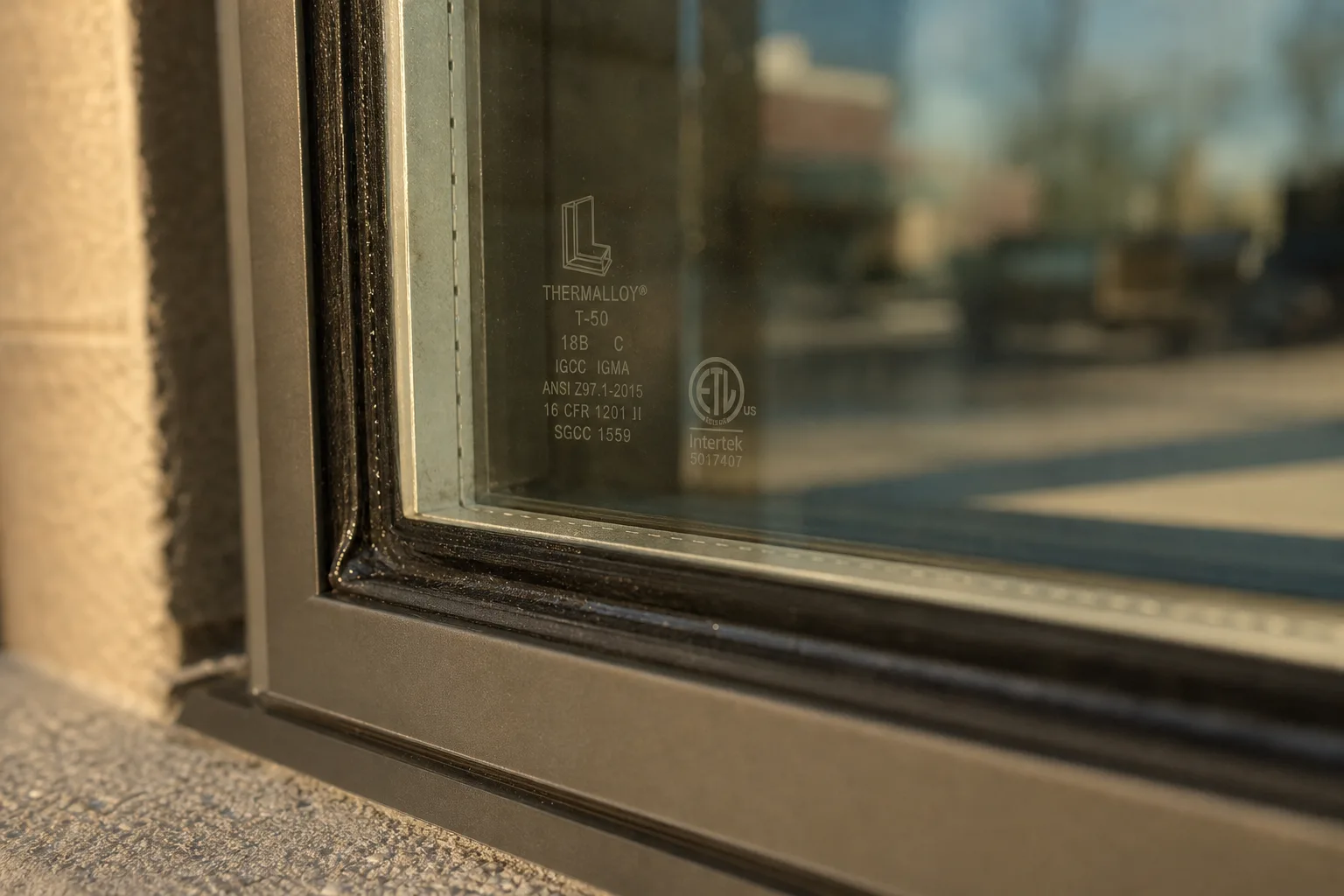
Four separate promises sit behind a glazing job, and only some of them survive the installer going out of business. Here is how they compare, and how state rules change the answer.
A glazing quote usually carries a single line about warranty, and that line is doing the work of four different promises. They come from four different parties, they last for four different lengths of time, and when the company that signed the contract stops answering the phone, only some of them are still worth anything. The difference between a good job and a barely adequate one often shows up here, years later, in whether there is anyone left with an obligation to you.
The four promises hiding in one warranty line
Separate them before you sign, because the quote almost never does.
Workmanship. The installer's own promise that the opening was prepped correctly, the unit is plumb and shimmed, the flashing laps the right way, and the perimeter seal will hold. This is the promise most likely to matter and the one most tied to the company's survival.
Product. The manufacturer's promise on the unit itself: insulated glass seal failure, frame defects, hardware, sometimes finish. It follows the serial number, not the installer.
Component. Separate coverage on things like laminated interlayers, applied film, or motorized hardware, issued by whoever made that piece.
Financial backing. A license bond, a performance bond, or a third-party insured warranty. This is not a promise about the glass. It is a promise that money exists if the first promise is broken and the promisor is gone.
| Promise | Who owes it | Typical term | Survives installer closure? |
|---|---|---|---|
| Workmanship | The installing contractor | 1 to 10 years | No, unless separately backed |
| Product / IGU seal | Manufacturer | Often 10 to 20 years | Yes, if the manufacturer is still trading |
| Component | Component maker | Varies widely | Yes, usually |
| License or performance bond | Surety company | Tied to the license period or job | Yes, within the bond's limits and claim window |
| Third-party insured warranty | Insurance carrier | Matches the stated term | Yes, that is the point of it |
What makes the product warranty actually collectible
Manufacturer coverage on insulated glass is the sturdiest of the four, and it is also the one most often lost on paperwork rather than on merit. Three things decide it.
First, registration. Several manufacturers require the owner to register the units within a set number of days after installation to get the full term, and a contractor who handles that for you and sends the confirmation has done something a cheaper bidder did not. Second, transferability. Many residential warranties either end at sale or step down to a shorter term for the second owner, and the ones that transfer usually require a written notice within a window. Third, proof of what was installed. A warranty on "the glass" is unenforceable without the unit schedule, the spacer and coating specification, and the date. Ask for a closeout package with model numbers, glass makeup, and the installation date per opening. On a commercial storefront that package is routine; on a six-window residential job you often have to ask.
The Federal Trade Commission oversees how written consumer product warranties are disclosed and what a "full" versus "limited" warranty means, which is why the product documents are generally more precise than the installer's one-line promise. The contrast is instructive. The manufacturer wrote a document expecting to be held to it.
Where the state line changes the answer
Nothing varies more than the backstop behind workmanship, and it varies by state, not by brand.
Licensing is the first split. Some states license glazing or general contracting at the state level and require a surety bond as a condition of the license, which means a claim route exists even after the business dissolves. Others leave licensing to cities and counties, so two jobs forty miles apart can carry very different recourse. In home rule states, a municipal license may require nothing but a fee.
Time limits are the second. Every state sets a statute of limitations for breach of contract and a statute of repose that cuts off construction defect claims after a fixed number of years from substantial completion, and those numbers differ substantially across states. A ten-year workmanship warranty in a state with a shorter repose period is partly decorative. Some states also impose a right-to-repair procedure, requiring written notice and an opportunity to cure before you can file anything.
Code regions are the third. In hurricane-prone coastal counties, glazing must carry product approval and impact certification tied to a specific assembly, and the installation affidavit or windstorm certificate is a separate document from the warranty. Lose it and you have an insurance problem as well as a warranty problem. In high-altitude and extreme-temperature markets, manufacturers may require capillary tubes or breather tubes in sealed units, and installing the standard unit voids the seal coverage. Ask which regional condition applies to your address and what document proves compliance. A capable commercial glass company will hand over those certifications without being chased, because their own exposure depends on the same paperwork.
Buying the version that outlives the installer
If continuity is what you are paying for, the questions are narrow:
- Is the workmanship warranty backed by a surety bond, an insured warranty program, or only by the company's continued existence?
- Does the backing follow the job or expire with the license period?
- Who is the named obligee, and what is the claim procedure if the contractor is dissolved?
- Does the product warranty transfer on sale, and what notice is required?
- What is the state repose period here, and does any part of the written warranty extend past it?
Expect the insured or bonded version to carry a visible premium in the bid. That gap is the price of the promise surviving, and it is usually the honest explanation for why one quote sits above another on identical glass.
Keep the closeout package where you keep the deed. Registration confirmations, unit schedules, certifications, the bond number, and the carrier's claim address are the assets. The installer's business card is not.