The Argument Is About the Roof Before the Storm: Photograph It While the Weather Holds
title:The Argument Is About the Roof Before the Storm: Photograph It While the Weather Holdsauthor:Lionel Karstenspublished:2026-04-08section:Propertywords:913read:4 min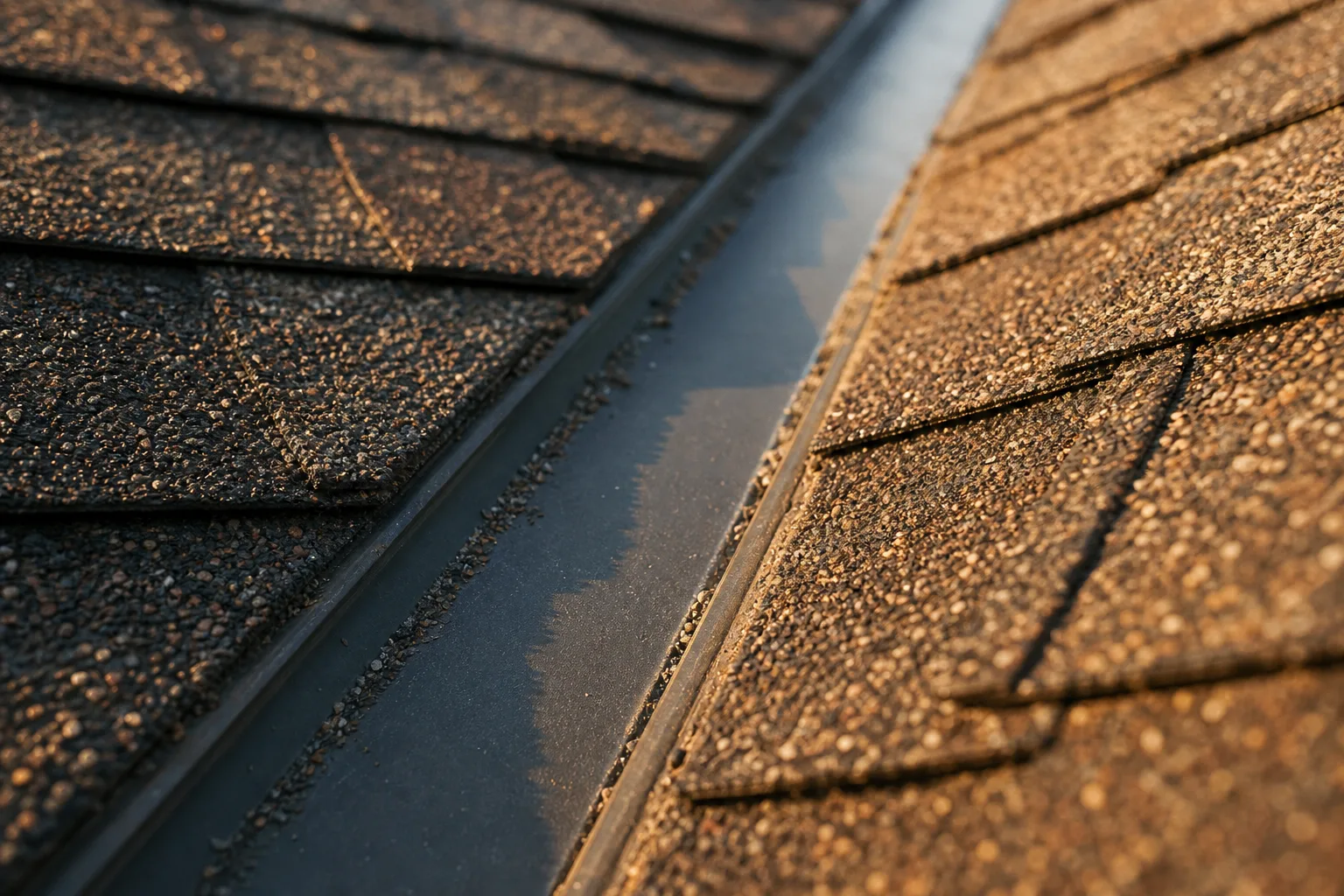
After a storm the dispute is rarely about whether damage exists. It is about whether the damage predates the weather, and that question is settled by evidence.
Stand in the yard on a clear afternoon in early April and look at the roof, which is the last time anybody will look at it without a reason. In three months an adjuster may be standing in roughly the same spot, and the conversation will not be about whether there is damage up there, because there almost certainly will be. It will be about whether the damage arrived with the storm or was already present, and that question is decided by whatever evidence exists about the condition of the roof before the weather came through.
What to Record, and How
The useful record is more specific than a few photographs from the driveway. Work around the house and photograph each roof plane from the ground with a zoom, then take closer images of the details that carry the argument: the ridge, the valleys, the flashing where the roof meets a wall or a chimney, the boots around vent pipes, the gutters and the drip edge. Add the soffits and fascia, since wind damage frequently shows there first, and add a wide shot of each elevation that puts the roof in context with the landscaping and the neighbors.
Interior matters as much as exterior and takes five minutes. Photograph the attic with a flashlight, particularly the underside of the sheathing around any penetration, and photograph every ceiling in the house even where nothing is wrong, because a clean ceiling in April is the strongest possible evidence that a stain in July is new. Get the same images each time so the sets are comparable, which is easier if you walk the same route in the same order rather than deciding fresh each spring.
Making the Date Provable
A photograph is only useful if its date can be established, and file metadata is easy to doubt because it is easy to alter. The simplest fixes are also the most robust. Email the set to yourself, which puts a timestamp on a server outside your control. Upload it to a cloud account, which does the same. Include something in one frame that independently dates it, a newspaper, a phone screen showing the date, or a seasonal marker like a bare tree that will be in leaf later.
The other half of provability is retention. A photograph taken every spring for five years is worth considerably more than one taken last month, because a series establishes a trend rather than a moment, and a trend is what answers a question about gradual deterioration. Keep them in a folder named by year and do not delete the old ones when the new set arrives, since the oldest images are the ones that will eventually matter most.
Where a Roof Inspection Report Changes Things
Photographs establish appearance and a professional report establishes condition, which is a different and more persuasive thing. A roofing contractor's written inspection notes the material, the approximate age, the state of the fasteners and flashing, any existing damage, and the estimated remaining life. Many contractors provide one at no charge in the hope of future work, and a paid inspection is inexpensive relative to what it protects. The document is dated, it is on letterhead, and it was produced by somebody with no interest in a future claim.
The report also has value entirely apart from insurance. It tells a homeowner what maintenance is due, which is the cheapest possible way to prevent the damage that becomes a claim, and it gives an honest read on remaining life, which turns a roof replacement from an emergency into something that can be budgeted across a couple of years. Carriers increasingly ask about roof age and condition at renewal, and having a recent report to hand occasionally affects what is offered.
Fixing What the Photographs Show
Documentation that reveals a problem and is then filed away creates the opposite of the intended effect, because a photograph of a lifted shingle taken in April and a claim for that area in July together prove that the condition predated the storm and was known. Whatever the spring pass turns up should be repaired promptly, and the repair itself should be photographed and the invoice kept, since a documented repair converts a pre-existing condition into a resolved one.
Most of what turns up is small: sealant that has failed at a pipe boot, a lifted shingle at an edge, a gutter joint that has separated, debris in a valley, or a branch that needs cutting back before it takes shingles off in a wind. None of these is a large job and all of them are the origin of a meaningful share of storm claims, because wind finds whatever is already loose. Taking care of them is the part of this exercise that saves money regardless of whether a claim ever happens.
Keeping the File Findable
The last step is the one that decides whether any of this works, and it is simply that somebody has to be able to find the folder in a week when the power is out, the roof is open and the household is not at home. Two copies in different places, one of them outside the building, and a note of where they are that a second person in the household knows about. The whole exercise is an afternoon in April and ten minutes each spring afterward, aimed at a conversation that may never happen and that is entirely one-sided if it does.